
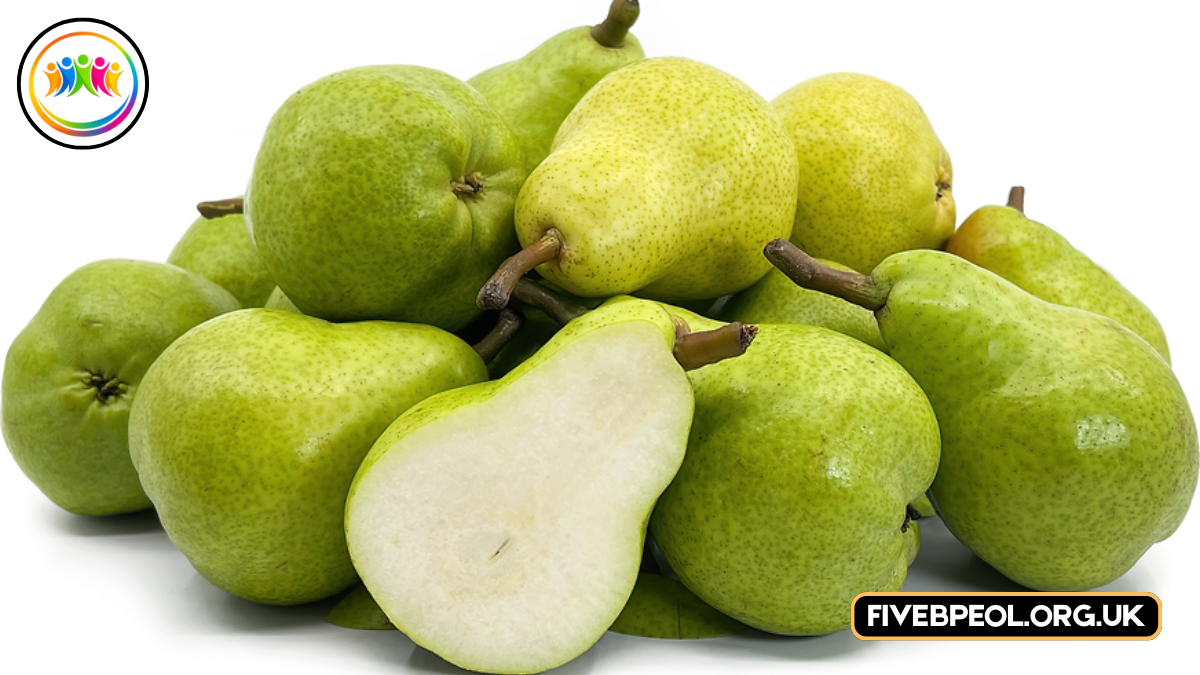
Williams pears are one of the most recognisable and widely enjoyed fruit varieties across the UK, loved for their sweet aroma, smooth texture and versatility in both fresh eating and cooking. In British households, williams pears are often associated with late summer harvests and supermarket shelves filled with ripe, golden-green fruit ready to enjoy. Their popularity continues to grow due to their balanced flavour and seasonal appeal.
When people search for seasonal fruit, williams pears frequently appear as a top choice because they combine traditional orchard heritage with modern culinary use. Whether eaten fresh, poached, or baked into desserts, they remain a staple fruit in UK kitchens. Their soft texture and naturally sweet taste make them suitable for all ages, reinforcing why williams pears remain such a trusted variety year after year.
What Are Williams Pears
Williams pears are a classic European pear variety scientifically known as Pyrus communis ‘Williams’. They are also called Bartlett pears in some countries, but in the UK they are most commonly referred to as williams pears. This variety has been cultivated for centuries and is widely grown in orchards due to its reliable yield and excellent flavour profile.
In terms of classification, williams pears belong to the dessert pear category, meaning they are best eaten when fully ripened rather than hard off the tree. They are part of a broader pear group often referred to as the Williams pears group, which includes closely related cultivars grown for similar taste and texture qualities. Their reputation as a premium eating pear has helped them remain popular across generations.
Taste, Texture and Appearance of Williams Pears
The flavour of williams pears is one of their most distinctive qualities, offering a rich sweetness combined with a subtle floral aroma. When perfectly ripe, the flesh becomes buttery, juicy and smooth, making them one of the most enjoyable pears to eat fresh. Their natural sugars intensify as they ripen, creating a soft and fragrant fruit experience.
Visually, williams pears typically start as a bright green fruit before gradually turning golden yellow as they ripen. This colour change is an important indicator of readiness and is often used by shoppers to identify the perfect stage of eating. The green stage of Williams pears is firmer and slightly tart, while the fully ripened stage delivers the signature soft texture and sweet taste they are known for.
Williams Pears Season and Harvesting in the UK
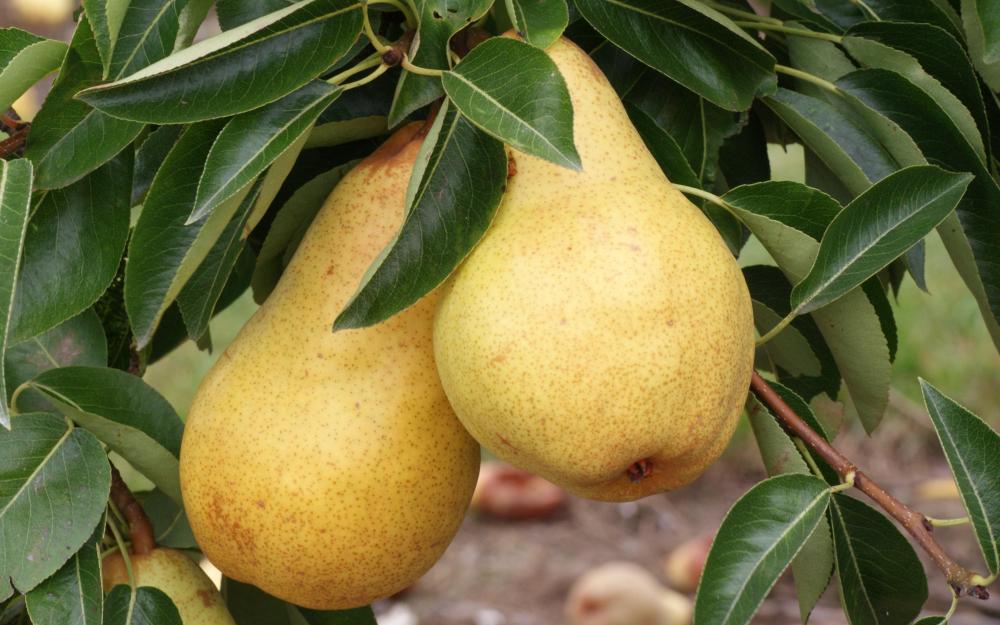
The season for williams pears in the UK generally begins in late summer and continues into early autumn, making them a highlight of the British fruit calendar. During this period, orchards across Europe harvest the fruit at optimal maturity before distributing them to UK supermarkets. This seasonal availability ensures the best flavour and texture for consumers.
Understanding when to pick williams pears is essential for both growers and home gardeners. They are usually harvested before full ripeness to allow natural softening after picking. In the UK climate, they are ready to harvest when the fruit lifts easily from the branch and shows a slight change in skin colour, indicating that the ripening process is ready to continue off the tree.
Buying Williams Pears in UK Supermarkets
In the UK, williams pears are widely available in major supermarkets such as Tesco and Waitrose, especially during peak season. These retailers stock both imported and locally grown varieties depending on the time of year. Shoppers often prefer selecting slightly firm pears so they can ripen them at home for optimal flavour.
Outside of supermarkets, williams pears can also be found in independent greengrocers and farmers’ markets, where freshness and quality can vary depending on the supplier. Seasonal availability plays a major role in pricing and taste, meaning the best quality williams pears are usually found during their natural harvest period rather than off-season imports.
Culinary Uses of Williams Pears
One of the key reasons for the popularity of williams pears is their versatility in cooking and eating. They can be enjoyed fresh as a healthy snack, offering a naturally sweet and refreshing flavour. Their soft texture when ripe makes them ideal for quick desserts or simple fruit-based dishes.
In cooking, williams pears are widely used in baking, poaching, and preserving. They work particularly well in tarts, crumbles and cakes, where their sweetness enhances the overall flavour of the dish. They also pair beautifully with cheese, nuts and savoury ingredients, making them suitable for both sweet and gourmet recipes.
Williams Pears Substitutes
When williams pears are not available, Conference pears are the most common substitute used in the UK. While they are firmer and less aromatic, they offer a similar eating experience and work well in recipes that require structure. Other alternatives include Bosc and Anjou pears, which provide slightly different textures and flavours.
Although substitutes can be useful, many consumers still prefer williams pears due to their distinctive sweetness and soft, melting texture when ripe. The flavour difference is especially noticeable when eaten fresh, making Williams pears a preferred choice for dessert-style consumption.
Storage and Ripening of Williams Pears
Proper storage is essential to enjoy williams pears at their best. They should initially be kept at room temperature until they begin to soften, as this allows the natural ripening process to develop full flavour. Once ripe, they can be moved to the refrigerator to extend freshness for a few additional days.
Ripening williams pears at home is a simple process and often involves placing them near other fruit such as bananas to speed up the process. Checking daily for softness near the stem helps determine readiness. Careful handling ensures the pears maintain their shape and texture without becoming overly mushy.
Conclusion
williams pears remain one of the UK’s most cherished fruit varieties due to their rich flavour, seasonal appeal and culinary versatility. From supermarket shelves to home kitchens, they continue to play an important role in British fruit consumption. Their sweet taste and soft texture make them suitable for both everyday eating and gourmet cooking.
As a seasonal fruit, williams pears offer a unique experience that reflects traditional orchard farming combined with modern food culture. Whether enjoyed fresh, baked or poached, they deliver consistent quality and satisfaction. Their enduring popularity ensures they will remain a staple fruit in the UK for years to come.
FAQs
What are williams pears in the UK
williams pears are a traditional European pear variety known for their sweet flavour, soft texture and seasonal availability in late summer and early autumn across the UK.
When are williams pears ready to pick
They are ready to pick when they lift easily from the tree and show a slight change in colour, indicating they will continue ripening after harvest.
What is the difference between williams pears and conference pears
williams pears are softer, sweeter and more aromatic, while Conference pears are firmer and less fragrant, making them more suitable for longer storage.
Where can I buy williams pears in the UK
You can find williams pears in supermarkets such as Tesco and Waitrose during their seasonal availability, as well as in local greengrocers.
How do you store williams pears at home
Keep williams pears at room temperature until ripe, then refrigerate them to extend freshness and maintain their flavour for a few extra days.
Also Read: steve backshall education