
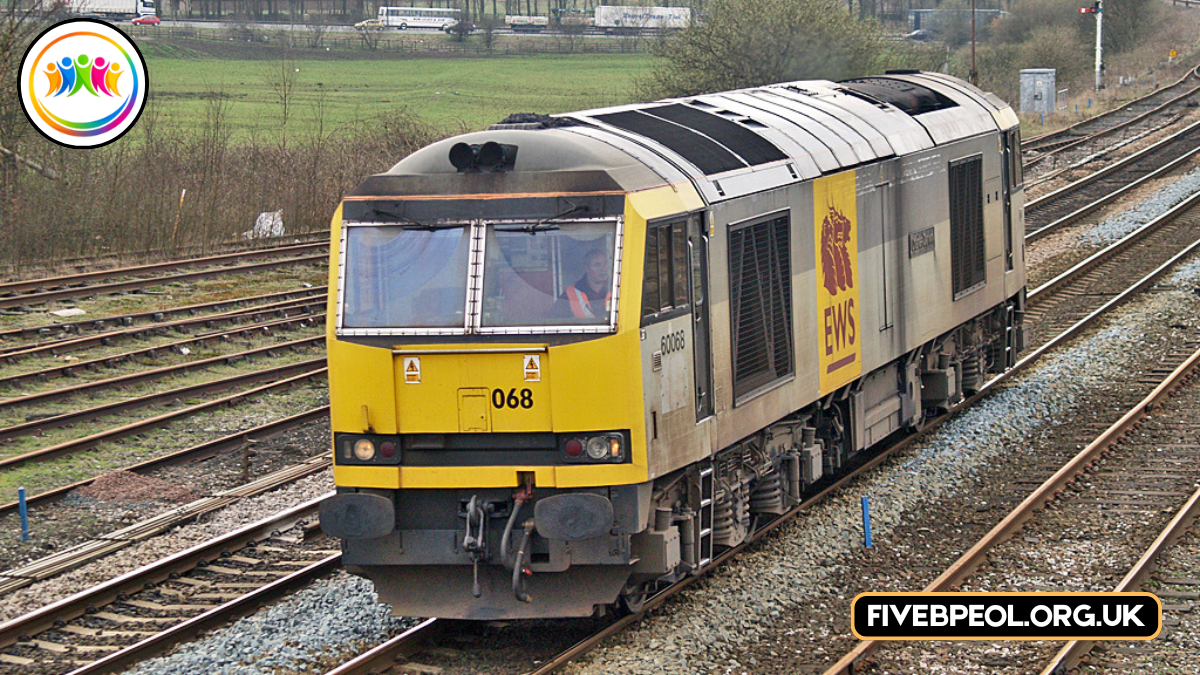
The br class 60 is one of the most powerful and recognisable heavy freight diesel-electric locomotives ever introduced during the final years of British Rail. Designed specifically for demanding freight operations, it was built to handle some of the heaviest train loads across the United Kingdom. Even today, the br class 60 remains an important reference point for railway engineers and enthusiasts studying freight locomotive development.
The br class 60 represents a turning point in UK rail freight history, combining high tractive effort with robust engineering intended for long-distance haulage. Although it was introduced during a transitional period for British Rail, it quickly gained a reputation for strength and reliability in heavy industrial transport. Its legacy continues to attract interest from rail historians and enthusiasts across Britain.
History and development of br class 60
The development of the br class 60 was driven by the increasing demand for more powerful freight locomotives during the late 1980s. British Rail required a machine capable of replacing older classes that struggled with heavier modern freight requirements. Built by Brush Traction, the locomotive was engineered to deliver improved pulling power and operational efficiency across demanding routes.
During its early introduction, the br class 60 was seen as a bold step forward in freight locomotive design. While it delivered impressive hauling capabilities, it also faced technical challenges in its early years of service. Despite these issues, it became a core part of freight operations and demonstrated the shift towards more modern diesel-electric traction in the UK rail industry.
Technical features of br class 60
The br class 60 is a Co-Co wheel arrangement diesel-electric locomotive built for endurance and heavy freight performance. This configuration helps distribute weight evenly across six axles, improving traction on difficult rail routes. It was specifically engineered for high tractive effort rather than speed, making it ideal for heavy industrial transport.
Inside its mechanical system, the br class 60 uses a powerful diesel engine connected to electrical traction motors. This setup converts mechanical energy into electrical power, which drives the wheels efficiently under load. Although it is not a high-speed locomotive, its strength and reliability make it highly effective for freight duties such as coal, aggregates, and steel transport.
br class 60 cab design and driver experience

The br class 60 cab was designed with practicality and operational efficiency in mind. It provides drivers with a clear control layout, essential instrumentation, and functional visibility suited for long freight journeys. The design prioritises performance and usability rather than luxury or advanced comfort features.
From a driver’s perspective, the br class 60 cab can feel noisy and less refined compared to modern locomotives. However, its straightforward controls and solid engineering made it dependable in demanding conditions. Many operators valued its simplicity, especially during heavy freight operations where reliability was more important than comfort.
br class 60 names and identity
Many units of the br class 60 were given names linked to companies, regions, or freight operators. These names helped create individuality within the fleet and made locomotives more recognisable to railway staff and enthusiasts alike. This naming tradition added character to an otherwise industrial machine.
The br class 60 names became especially popular within the rail enthusiast community, where spotting named locomotives became a major interest. Some names achieved iconic status and are still remembered today, contributing to the cultural identity and legacy of the class within British railway history.
br class 60 steam confusion explained
The search term br class 60 steam often causes confusion, but the locomotive is not a steam engine. It is a diesel-electric freight locomotive powered by a diesel engine that generates electricity for traction motors. It does not produce or use steam in any part of its operation.
This misunderstanding usually comes from general interest in historic British railway steam locomotives. However, the br class 60 belongs to a modern era of rail transport and represents diesel-electric engineering rather than steam technology. Understanding this difference is important when studying UK railway development.
Performance and operational use of br class 60
The br class 60 was designed for heavy freight duties across the UK rail network. It performed particularly well in transporting bulk goods such as minerals, oil, and industrial materials. Its strong tractive effort allowed it to handle demanding loads over long distances effectively.
Over time, the br class 60 faced competition from newer and more efficient locomotives. As rail technology advanced, many units were withdrawn or reassigned. Despite this, the locomotive is still respected for its strength, durability, and contribution to UK freight operations.
br class 60 wiki overview and legacy
The br class 60 wiki-style history highlights its role as one of the last major freight locomotives developed for British Rail. Produced in limited numbers, it represents the end of a significant era in British locomotive engineering before rail privatisation changed the industry structure.
Today, the br class 60 continues to appear in preservation efforts and occasional freight duties. Enthusiast groups work to maintain and restore examples of the class, ensuring its historical importance is preserved for future generations of railway fans.
Conclusion
The br class 60 remains a powerful symbol of British Rail’s final era of heavy freight engineering. Built for strength and endurance, it played a key role in supporting industrial transport across the UK and shaping modern freight locomotive design.
Although newer locomotives have replaced it in frontline service, the br class 60 continues to hold a respected place in railway history. Its legacy lives on through preservation, enthusiast interest, and its contribution to the evolution of British rail freight operations.
FAQs
What is br class 60 used for?
The br class 60 is used for heavy freight transport such as coal, steel, aggregates, and other industrial goods across the UK rail network.
Why is br class 60 called the Tug?
It is called the “Tug” because of its strong hauling power and ability to pull very heavy freight trains with consistent force.
Is br class 60 a steam locomotive?
No, the br class 60 is a diesel-electric locomotive and does not use steam for operation.
How many br class 60 locomotives were built?
A limited fleet of br class 60 locomotives was produced during the late British Rail period for freight services.
What is inside the br class 60 cab like?
The cab is functional and practical with basic controls, designed for freight work rather than luxury or comfort.
Is br class 60 still in service today?
Some units are still in use or preservation, but many have been withdrawn from regular frontline freight operations.
Also Read: loudoun square