
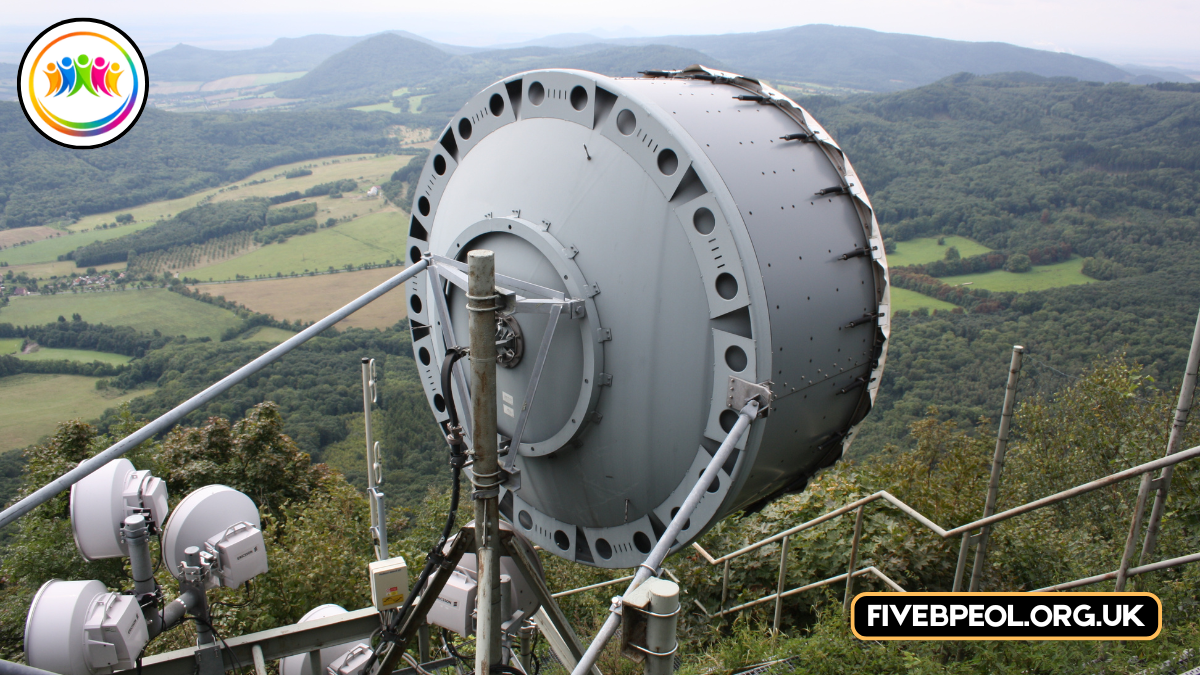
Antenna and microwave technology forms the backbone of modern wireless communication systems, enabling seamless transmission of data across vast distances. It plays a crucial role in satellite links, radar systems, mobile networks, and broadcasting infrastructure. In today’s digital era, antenna and microwave systems are essential for ensuring fast, reliable, and high-capacity communication across industries and global networks.
The growing demand for faster internet and advanced communication has significantly increased the importance of antenna and microwave technology. Engineers and researchers continue to refine system performance to reduce signal loss and improve efficiency. From urban telecom towers to deep-space satellite communication, antenna and microwave systems support the invisible framework of global connectivity.
Fundamentals of antenna and microwave systems
Antenna and microwave systems operate by transmitting electromagnetic waves within the microwave frequency range, typically measured in gigahertz. These waves carry information between transmitting and receiving antennas, making long-distance communication possible. The efficiency of antenna and microwave systems depends on factors such as wavelength, frequency stability, and signal strength control.
In antenna and microwave engineering, antennas convert electrical energy into electromagnetic waves and vice versa. This process allows data to travel through free space with minimal distortion. Directionality is also a key principle, as antenna and microwave systems are designed to focus energy toward specific targets, improving accuracy and reducing interference in communication channels.
Types of microwave antennas
There are several types of antenna and microwave systems, each designed for specific performance requirements and environments. Parabolic dish antennas are widely used in satellite communication due to their high gain and strong directional focus. Horn antennas are commonly applied in radar and testing environments because of their simple design and efficient signal handling capabilities.
Modern communication systems also use microstrip and patch antennas, which are compact and suitable for mobile and wireless devices. These designs are essential in small-scale electronics where space is limited. In advanced industrial applications, specialised solutions such as diamond antenna and microwave systems provide enhanced performance for complex communication networks.
Antenna and microwave engineering principles
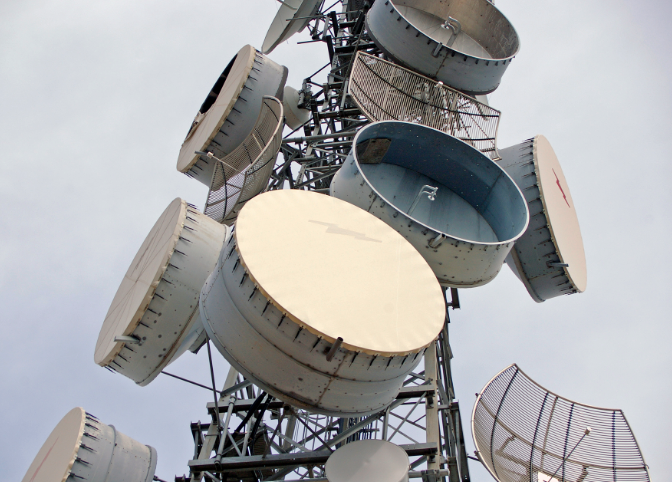
Antenna and microwave engineering focuses on designing systems that maximise signal efficiency while minimising loss and interference. Engineers analyse key parameters such as gain, directivity, bandwidth, and beamwidth to ensure optimal performance. These principles are essential in developing reliable communication systems that support both civilian and defence applications.
Another important aspect of antenna and microwave engineering is impedance matching, which ensures smooth energy transfer between components. Waveguides are used to direct microwave signals efficiently, reducing energy loss. Advanced simulation software is widely used in modern engineering to test antenna and microwave designs before real-world implementation, improving accuracy and performance outcomes.
Applications of antenna and microwave systems
Antenna and microwave technology is widely used in telecommunications, forming the backbone of mobile networks and internet connectivity. It enables high-speed data transfer between base stations, satellites, and user devices. Without antenna and microwave systems, modern global communication infrastructure would not be possible at its current scale and efficiency.
In addition to telecom, antenna and microwave systems are essential in radar technology used in aviation, military surveillance, and weather monitoring. They are also used in scientific research and industrial automation. The versatility of antenna and microwave technology makes it one of the most important innovations in modern engineering and communication systems.
Design and performance considerations
The design of antenna and microwave systems requires careful attention to frequency selection, power handling, and environmental conditions. Engineers must ensure that antennas are precisely aligned to achieve maximum signal strength and coverage. Even slight misalignment can significantly impact performance in antenna and microwave communication systems.
Environmental factors such as rain, humidity, and atmospheric interference can also affect signal transmission quality. Therefore, antenna and microwave systems are built with durable materials and protective coatings to withstand harsh conditions. Regular maintenance and calibration are essential to ensure long-term reliability and consistent performance in real-world applications.
Diamond antenna and microwave corporation overview
Diamond antenna and microwave corporation is recognised for its advanced engineering solutions in the field of high-performance communication systems. The company develops specialised antenna and microwave products used in both commercial and defence industries. Their technology focuses on delivering precision, durability, and efficiency in demanding operational environments.
The organisation contributes significantly to innovation in antenna and microwave engineering by producing systems used in radar, satellite, and wireless communication networks. Their products support critical infrastructure across global industries. Through continuous research and development, diamond antenna and microwave corporation helps advance modern communication capabilities worldwide.
Challenges and future trends in antenna and microwave systems
Despite their advantages, antenna and microwave systems face challenges such as signal attenuation, interference, and bandwidth limitations. Engineers are constantly working to overcome these issues through improved materials, advanced design techniques, and smarter signal processing technologies. These improvements are essential for future communication demands.
The future of antenna and microwave technology is closely linked to advancements in 5G, 6G, artificial intelligence, and smart communication systems. Innovations such as adaptive beamforming and intelligent antennas will enhance performance and efficiency. As technology evolves, antenna and microwave systems will continue to play a central role in global connectivity.
Conclusion
Antenna and microwave technology remains a fundamental part of modern communication infrastructure, enabling fast and reliable data transmission across the world. From mobile networks to satellite communication, its applications are vast and continuously expanding. The importance of antenna and microwave systems continues to grow in today’s interconnected society.
With ongoing advancements in antenna and microwave engineering, the future promises even more efficient and intelligent communication systems. As industries adopt new technologies, these systems will become faster, smarter, and more reliable. The evolution of antenna and microwave technology will continue shaping the future of global communication.
FAQs
What is antenna and microwave technology used for?
Antenna and microwave technology is used for transmitting and receiving data in communication systems such as mobile networks, satellites, radar, and broadcasting services.
How does antenna and microwave communication work?
Antenna and microwave communication works by converting electrical signals into electromagnetic waves and transmitting them through space. Receiving antennas capture these waves and convert them back into usable electrical signals.
What is antenna and microwave engineering?
Antenna and microwave engineering is the branch of engineering that focuses on designing, analysing, and improving antenna systems and microwave devices for efficient communication.
Also Read: williams pears