
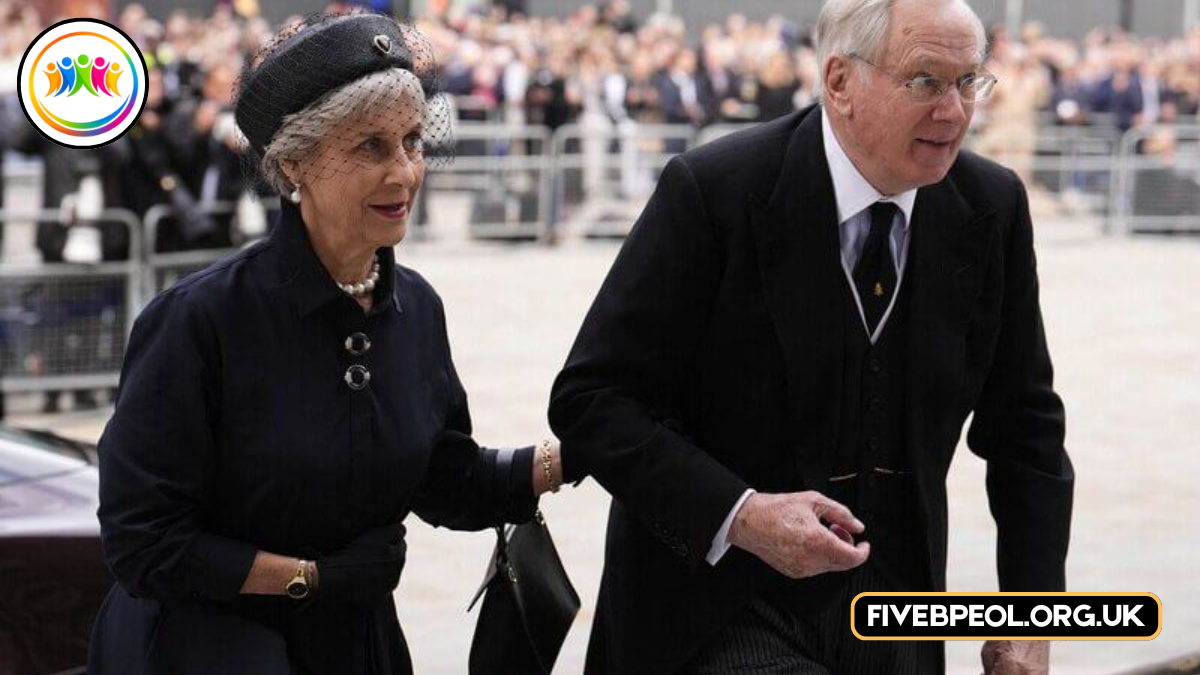
The duchess of kent funeral became one of the most significant royal events of recent years, drawing attention from across the United Kingdom and around the world. The ceremony honoured the life of Katharine, Duchess of Kent, who was widely respected for her dedication to charity, education and music. Her passing marked the end of a remarkable chapter in modern royal history.
What made the duchess of kent funeral especially notable was its historic Catholic character. Members of the Royal Family, religious leaders and close friends gathered to pay their respects during a solemn service that reflected the Duchess’s personal faith and lifelong values. The occasion combined royal tradition with deeply personal touches requested by the Duchess herself.
The Life and Legacy of the Duchess of Kent
Katharine, Duchess of Kent, was born into a distinguished family and later married Prince Edward, Duke of Kent, becoming a prominent member of the British Royal Family. Throughout her public life, she was admired for her warmth, modesty and commitment to helping others. Unlike many royal figures, she often preferred a quieter role focused on meaningful causes rather than public attention.
Her work in education and the arts left a lasting impression on countless people. She was particularly passionate about music and supported many young musicians during her lifetime. The Duchess also devoted significant energy to charitable organisations, earning respect from communities across the country. These achievements formed an important backdrop to the tributes shared during the funeral service.
Why the Duchess of Kent Funeral Was Historic
The duchess of kent funeral was described as a historic occasion because it became the first modern Catholic funeral for a member of the British Royal Family. The Duchess converted to Catholicism in 1994, and her wishes were carefully respected when plans for the funeral were arranged. This decision attracted considerable public interest and widespread media coverage.
For many observers, the ceremony represented an important moment in the evolving relationship between the monarchy and religious traditions in Britain. The service demonstrated how personal faith could be honoured within the framework of royal protocol. Historians and commentators noted that the event would likely be remembered as a landmark occasion in contemporary royal history.
The Funeral Service at Westminster Cathedral
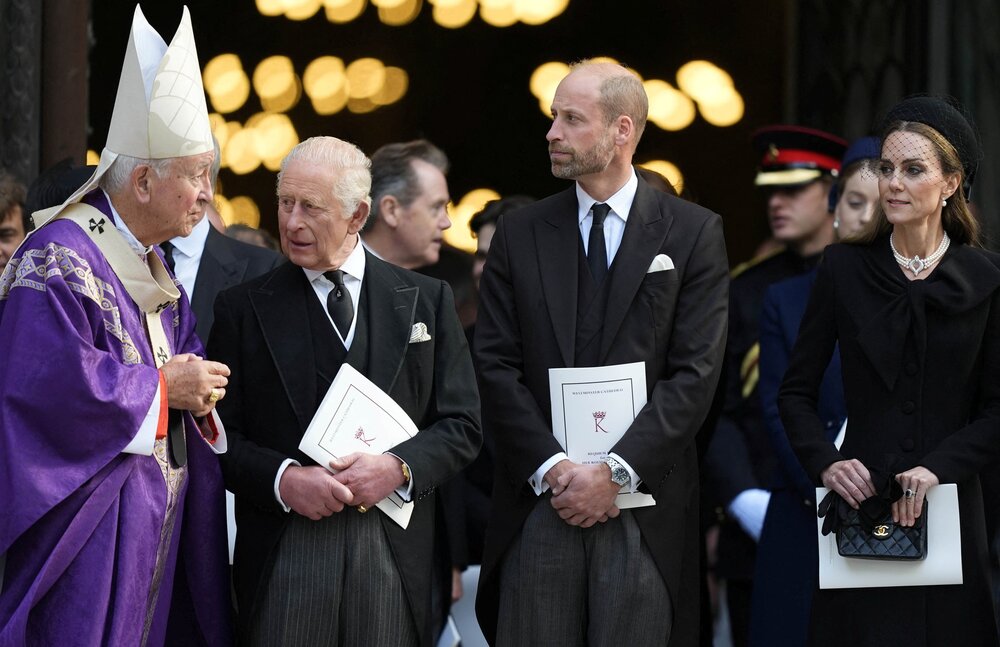
The funeral took place at Westminster Cathedral in London, a setting chosen to reflect the Duchess’s Catholic faith. The cathedral provided a dignified and peaceful atmosphere as mourners gathered to remember her life. The Requiem Mass was led by senior Catholic clergy, including Cardinal Vincent Nichols, and followed traditional Catholic liturgy.
Music played an especially important role during the service. One of the most moving moments came when Mozart’s Ave verum corpus was performed, a piece that held special meaning for the Duchess. The ceremony also included prayers, readings and hymns that celebrated her compassion, humility and dedication to family and public service.
Royal Family Attendees and Public Interest
Senior members of the Royal Family attended the duchess of kent funeral, including King Charles III and Queen Camilla. The Prince and Princess of Wales were also present, alongside other close relatives and members of the extended royal family. Their attendance reflected the affection and respect held for the Duchess within royal circles.
Public interest in the funeral was immense. News organisations across the United Kingdom provided extensive coverage, while many people followed the ceremony through television broadcasts and online reports. The presence of senior royals, combined with the historic nature of the service, ensured that the event received attention far beyond traditional royal audiences.
The Procession and Burial at Frogmore
After the service concluded, the Duchess’s coffin was carried in a solemn procession before leaving Westminster Cathedral. The cortege travelled towards Windsor, where the final stage of the day’s ceremonies took place. Crowds gathered respectfully along parts of the route, offering a quiet farewell to a much-loved royal figure.
The burial was held privately at the Royal Burial Ground at Frogmore. This peaceful site has long been associated with members of the Royal Family and provides a secluded resting place away from public view. Family members attended the burial ceremony, which was conducted according to the Duchess’s wishes and marked the final farewell of the day.
Music, Symbols and Personal Touches
One reason the duchess of kent funeral resonated with so many people was the care taken to include personal elements that reflected the Duchess’s character. Her love of music was evident throughout the service, and the chosen pieces created an atmosphere of reflection and gratitude. The musical programme highlighted the importance that the arts held in her life.
Traditional royal and military symbols were also present during the ceremony. A piper from the Royal Dragoon Guards performed a lament that added a deeply emotional note to the proceedings. These ceremonial details balanced royal tradition with personal remembrance, creating a service that felt both historic and intimate.
Public Tributes and Media Coverage
Following the funeral, tributes continued to arrive from charities, educational organisations and individuals who had been touched by the Duchess’s work. Many people remembered her kindness, discretion and willingness to support causes without seeking publicity. Floral tributes and messages of condolence appeared at several royal locations.
Newspapers, broadcasters and international media outlets reflected on the significance of the occasion. Reports frequently highlighted the Duchess’s charitable contributions and the historic Catholic nature of the service. The widespread coverage ensured that her achievements reached a new generation of readers and viewers who may have known little about her earlier public work.
The Enduring Legacy of the Duchess of Kent
The duchess of kent funeral was not only a farewell but also a reminder of the values the Duchess represented throughout her life. Her commitment to education, music and charitable service created a legacy that extended far beyond royal ceremonies. Many organisations she supported continue to benefit from the attention and encouragement she provided over the years.
Within the Royal Family, she was remembered as a figure of grace, compassion and quiet strength. Her decision to follow her personal faith, while maintaining close family relationships, added another distinctive chapter to modern royal history. The funeral therefore served both as a tribute to her life and as a reflection on the changing nature of the British monarchy.
Conclusion
The duchess of kent funeral brought together royal tradition, personal faith and public remembrance in a remarkable way. Held at Westminster Cathedral and followed by burial at Frogmore, the ceremony honoured a woman whose life was defined by service, culture and compassion. The attendance of senior royals and the historic Catholic setting ensured that the occasion would be widely remembered.
Above all, the funeral highlighted the enduring respect felt for Katharine, Duchess of Kent. Her contributions to charity, education and music continue to inspire admiration across the United Kingdom. The ceremony provided a dignified farewell and confirmed her place as one of the most respected and quietly influential figures of her generation.
Frequently Asked Questions
What made the Duchess of Kent funeral historic?
It was the first modern Catholic funeral for a member of the British Royal Family.
Where was the Duchess of Kent funeral held?
It took place at Westminster Cathedral in London.
Who attended the funeral?
King Charles III, Queen Camilla and other senior members of the Royal Family attended.
Why did the Duchess of Kent have a Catholic funeral?
She had converted to Catholicism in 1994 and wished for a Catholic service.
Where was the Duchess of Kent buried?
She was buried at the Royal Burial Ground at Frogmore in Windsor.
What music was featured during the service?
The service included Mozart’s Ave Verum Corpus and other meaningful musical selec
Also Read: caylee marie