
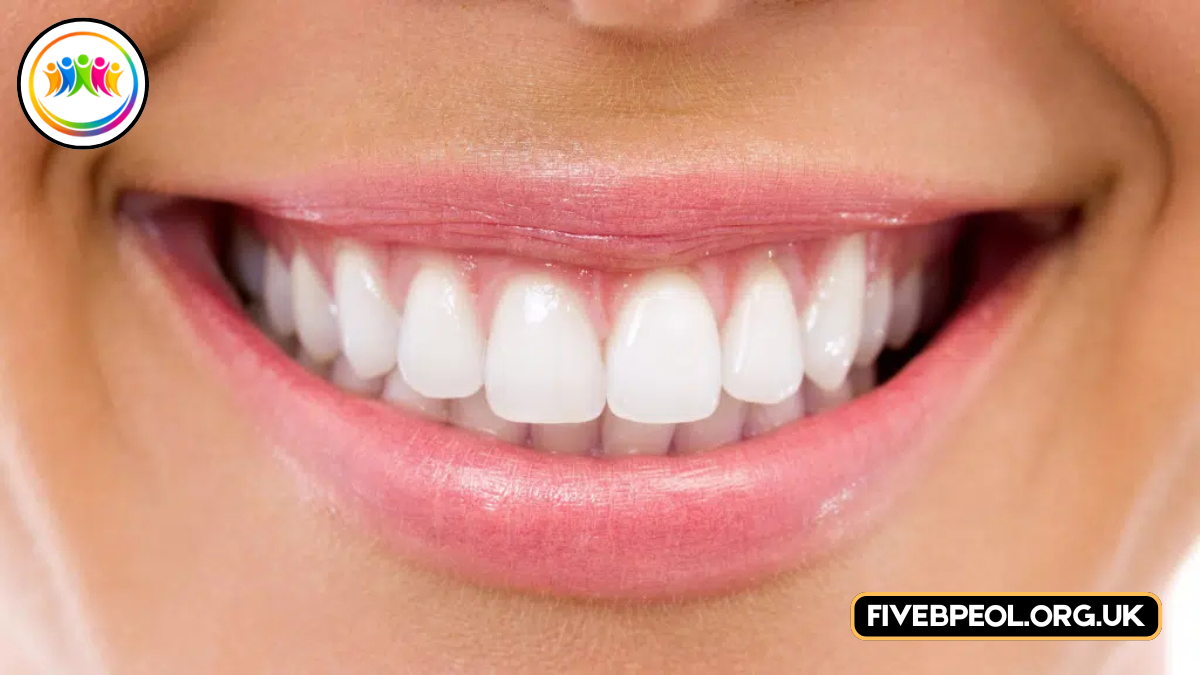
The canine cuspid is one of the most important teeth in the human mouth, positioned between the incisors and premolars. These pointed teeth are easily recognisable due to their sharp shape and strong structure. The canine cuspid plays a vital role in chewing food and maintaining proper alignment of the jaw and bite.
The canine cuspid is found in both the upper and lower jaws, with a total of four in the human mouth. These teeth are also known as eyeteeth or cuspids and are among the strongest teeth due to their long roots. The canine cuspid is essential for both function and facial appearance, contributing to a balanced and healthy smile.
Anatomy of canine cuspid
The anatomy of the canine cuspid is unique compared to other teeth. It has a single pointed cusp designed for gripping and tearing food effectively. One of its most important features is its long and strong root, which anchors it deeply into the jawbone, making the canine cuspid highly stable.
Structurally, the canine cuspid consists of enamel, dentine, and pulp, similar to other teeth, but its shape gives it a specialised function. The upper canine cuspid is usually more prominent than the lower one, playing a major role in smile aesthetics. This strong structure allows the canine cuspid to handle high biting pressure throughout life.
Function and importance of canine cuspid
The main function of the canine cuspid is to tear and grip food, especially tougher textures such as meat. Its sharp and pointed shape allows efficient cutting of food, making chewing easier. The canine cuspid works alongside other teeth to ensure smooth digestion and proper food breakdown.
The canine cuspid also plays an important role in guiding jaw movement and maintaining proper bite alignment. It helps the upper and lower teeth meet correctly, preventing uneven wear. In addition, the canine cuspid supports facial structure and enhances the natural shape of the smile.
Eruption and development of canine cuspid
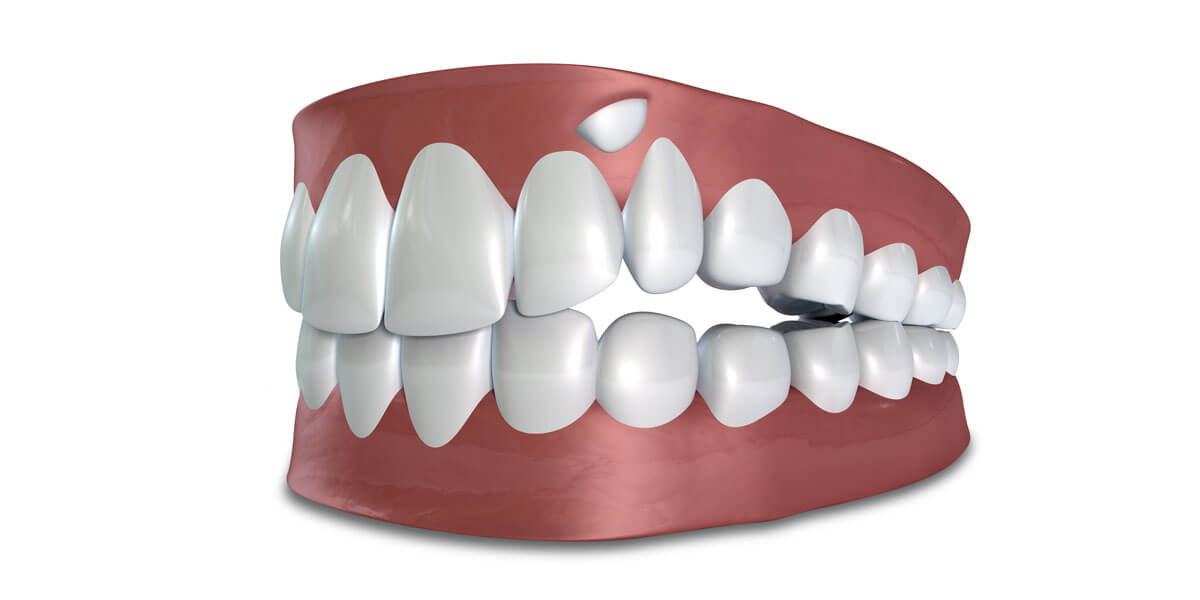
The canine cuspid follows a specific eruption pattern during childhood. Lower canine cuspids usually erupt between the ages of 9 and 10, while upper canine cuspids appear later, between 11 and 12 years of age. This gradual development ensures proper spacing in the mouth.
The timing of canine cuspid eruption may vary due to genetics or dental conditions. In some cases, delayed eruption can occur due to overcrowding or lack of space. Regular dental check-ups help monitor the development of the canine cuspid and prevent complications early.
Canine cuspid in children and teething
In children, the canine cuspid appears as part of the primary or baby teeth set. These baby canine cuspids are important for chewing and maintaining space for permanent teeth. They also guide the proper growth of the jaw and dental structure.
During canine cuspid teething, children may experience mild pain, swelling, or irritability. This is a normal part of development as the tooth pushes through the gums. The canine cuspid teeth baby stage is temporary but essential for future dental alignment and oral health.
Common issues with canine cuspid teeth
The canine cuspid can sometimes face developmental problems such as impaction, where the tooth fails to erupt properly. This usually happens due to lack of space in the jaw. An impacted canine cuspid may require orthodontic treatment to guide it into position.
Other common issues include misalignment, crowding, or retained baby canine cuspids. These problems can affect both appearance and bite function. Early detection of canine cuspid issues is important to prevent long-term dental complications and maintain oral health.
Treatment and care for canine cuspid
Treatment for canine cuspid problems often involves orthodontic solutions such as braces. These help guide the tooth into its correct position over time. In severe cases, surgical exposure may be needed to assist the eruption of the canine cuspid.
Proper dental care is essential to maintain a healthy canine cuspid. Regular brushing, flossing, and dental check-ups help prevent decay and alignment issues. Early monitoring ensures that the canine cuspid develops correctly and stays healthy throughout life.
Conclusion
The canine cuspid is a vital tooth that plays an important role in chewing, alignment, and facial structure. Its strong root and sharp design make it essential for both function and aesthetics. A healthy canine cuspid supports proper oral performance and a balanced smile.
Maintaining the canine cuspid through good oral hygiene and regular dental care is essential for long-term health. From childhood development to adulthood, this tooth remains crucial for stability, function, and appearance in the human mouth.
Frequently Asked Questions
What is a canine cuspid tooth?
A canine cuspid tooth is a pointed tooth used for tearing food and guiding proper bite alignment in the human mouth.
When do canine cuspid teeth erupt?
Canine cuspid teeth usually erupt between ages 9–12, with lower canines appearing earlier than upper ones.
Why are canine cuspid teeth important?
Canine cuspid teeth are important for chewing, maintaining jaw alignment, and supporting facial structure and smile shape.
What is canine cuspid teething?
Canine cuspid teething is the natural process when baby or permanent canine teeth push through the gums during development.
Can canine cuspid teeth become impacted?
Yes, canine cuspid teeth can become impacted when there is not enough space in the jaw for proper eruption.
How many canine cuspid teeth do humans have?
Humans have four canine cuspid teeth, two in the upper jaw and two in the lower jaw.
Can crooked canine cuspid teeth be corrected?
Yes, crooked canine cuspid teeth can be corrected using orthodontic treatments such as braces or aligners.
What is the difference between baby and adult canine cuspid teeth?
Baby canine cuspid teeth are temporary and smaller, while adult ones are permanent, stronger, and have longer roots.
Also Read: extended care paramedic