
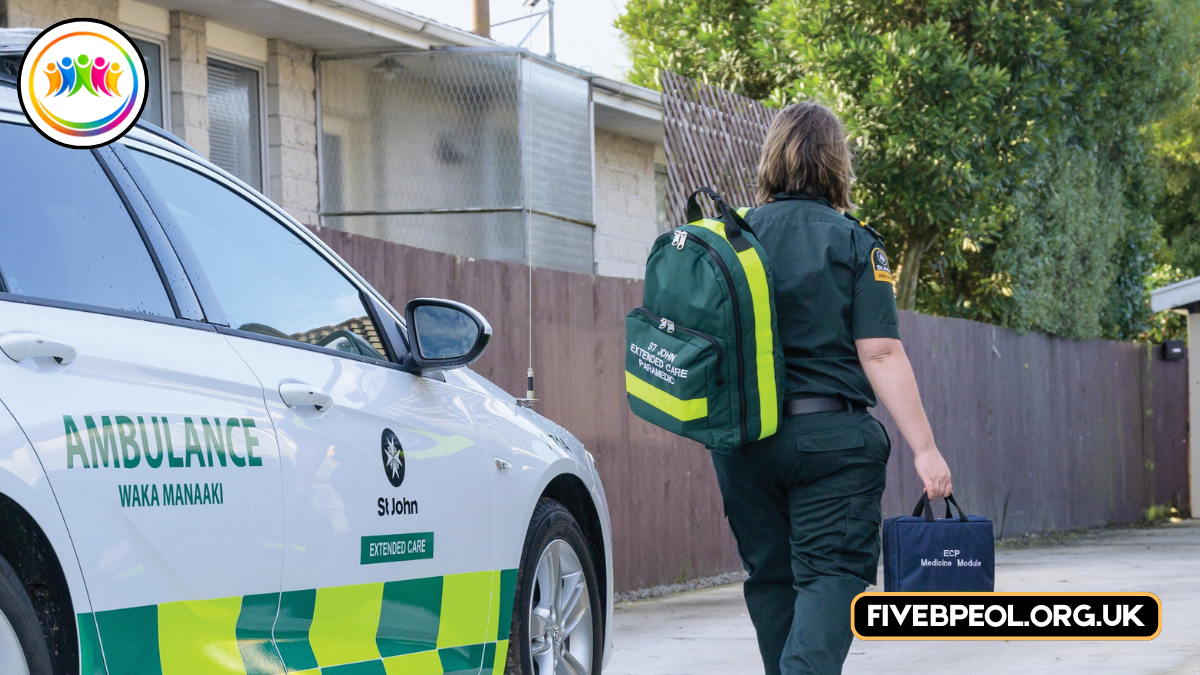
The extended care paramedic is becoming a vital part of modern healthcare systems across the UK, especially as pressure on emergency departments continues to rise. This role focuses on treating patients who do not need urgent hospital admission but still require professional medical assessment and care in the community.
In today’s healthcare system, the extended care paramedic helps bridge the gap between emergency ambulance services and primary care. By providing treatment in homes, care facilities, and community settings, they reduce unnecessary hospital visits and improve patient comfort while ensuring timely medical support.
What is an Extended Care Paramedic
The extended care paramedic is a highly trained clinical professional who works beyond traditional emergency response roles. Instead of focusing only on transporting patients to hospital, they assess and treat low-acuity conditions directly in the community.
This role includes managing minor illnesses, injuries, and ongoing health conditions that do not require emergency intervention. The extended care paramedic uses advanced clinical judgement to decide whether patients can be safely treated at home or need further medical care.
Roles and Responsibilities of an Extended Care Paramedic
The extended care paramedic carries out a wide range of clinical and community-based duties. These include patient assessment, treatment of minor conditions, wound management, and providing immediate care for non-life-threatening illnesses.
They also play a key role in reducing pressure on emergency departments by preventing unnecessary hospital admissions. The extended care paramedic often works alongside GPs, nurses, and social care teams to ensure patients receive the right care at the right time.
Training and Course Pathway for Extended Care Paramedic
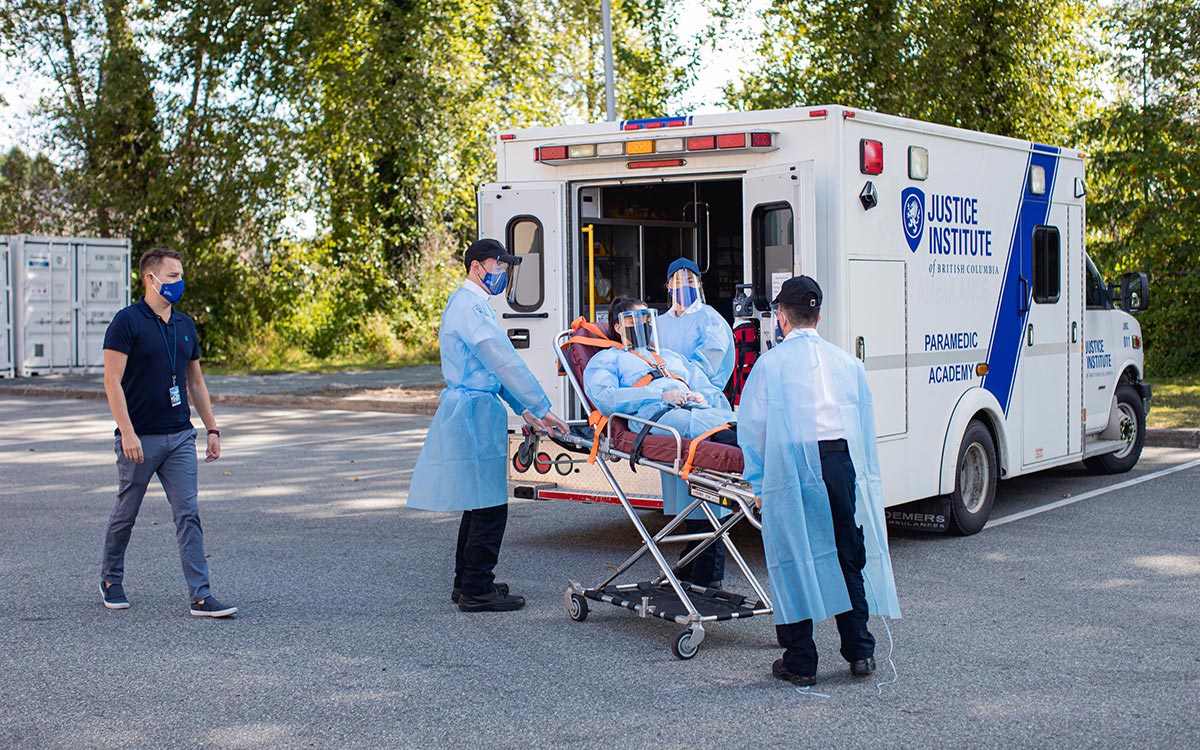
To become an extended care paramedic, individuals must first qualify as registered paramedics. After this, they undergo additional specialist training focused on advanced clinical assessment, diagnostics, and community healthcare delivery.
The extended care paramedic course includes both theoretical learning and supervised clinical practice. Continuous professional development is essential, as healthcare practices and guidelines are constantly evolving within this field.
Extended Care Paramedic Salary and Career Prospects
The extended care paramedic salary in the UK depends on experience, NHS banding, and location. Due to the advanced skills required, they typically earn more than entry-level paramedics.
Career progression is strong, with opportunities to move into senior clinical roles, management positions, or advanced practice pathways. The demand for extended care paramedic professionals is expected to grow significantly in the coming years.
Extended Care Paramedic in UK and International Healthcare
In the UK, the extended care paramedic plays an important role within NHS community healthcare services. They support urgent care pathways and help reduce unnecessary ambulance conveyance.
Internationally, similar roles exist in systems such as NSW Ambulance, SA Ambulance Service, and Hato Hone St John, where community-based paramedic care is widely used to improve healthcare access and efficiency.
Benefits of the Extended Care Paramedic Role
The extended care paramedic improves patient access to healthcare by delivering treatment in home and community settings. This reduces waiting times and enhances patient satisfaction, especially for elderly or vulnerable individuals.
It also reduces pressure on emergency departments by managing low-acuity cases outside hospitals. This allows emergency services to focus on critical, life-threatening situations, improving overall system efficiency.
Challenges and Future of Extended Care Paramedic
Despite its advantages, the extended care paramedic role comes with challenges such as working independently in complex situations and managing limited resources in community settings.
However, the future of the extended care paramedic is highly promising. With increasing demand for community healthcare and advancements in digital medicine, this role is expected to expand significantly across the UK healthcare system.
Conclusion
The extended care paramedic is an essential part of modern healthcare, offering safe, effective, and patient-centred care outside hospital environments. Their role helps improve healthcare access while reducing pressure on emergency services.
As the healthcare system continues to evolve, the extended care paramedic will remain a key professional in delivering efficient and sustainable care across the UK.
Frequently Asked Questions
What is an extended care paramedic?
An extended care paramedic is a specialist paramedic who treats low-acuity patients in community settings instead of transporting them to hospital.
How is an extended care paramedic different from a normal paramedic?
A standard paramedic focuses on emergency transport, while an extended care paramedic provides treatment on-site for non-emergency conditions.
What is the salary of an extended care paramedic in the UK?
Salary varies depending on NHS banding and experience, but extended care paramedics generally earn more than entry-level paramedics.
How do you become an extended care paramedic?
You must first qualify as a paramedic and then complete additional specialist training in extended care and community healthcare.
Is there demand for extended care paramedics in the UK?
Yes, demand is increasing due to pressure on emergency services and the growing need for community-based healthcare.
Also Read: blackening coating