
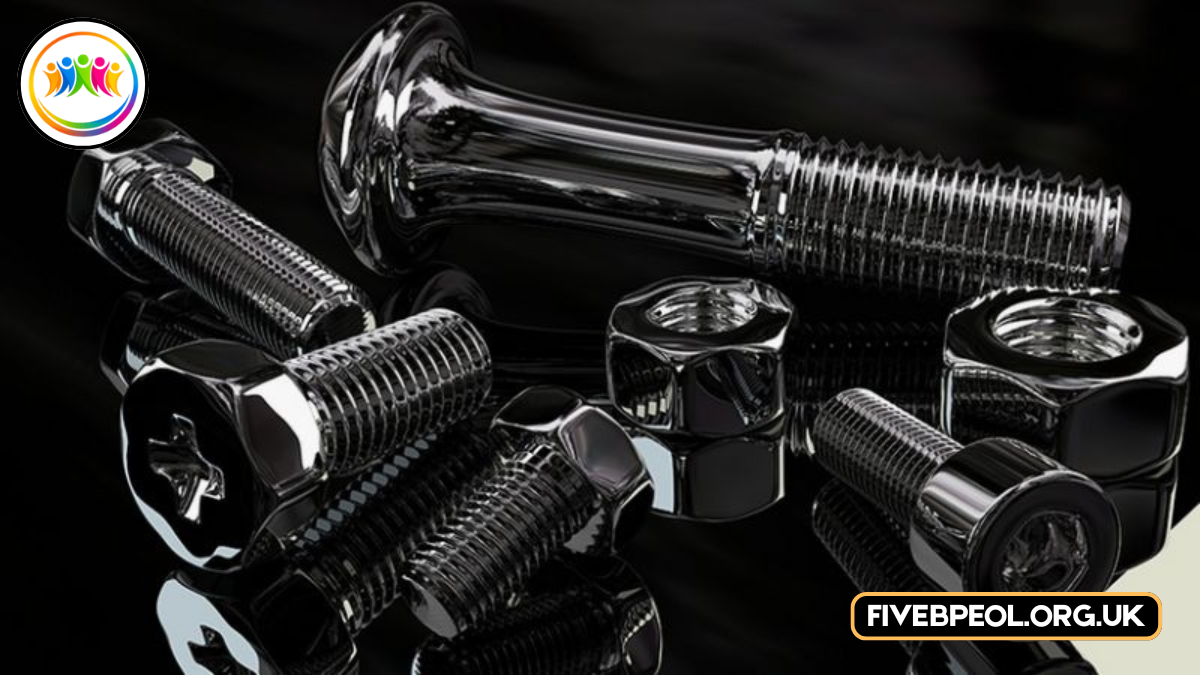
Blackening coating is a highly valued metal finishing technique widely used across engineering and manufacturing industries. It is a chemical conversion process that transforms the surface of metals such as steel and iron into a protective black oxide layer. This process improves appearance, reduces reflectivity, and enhances resistance to wear without significantly changing the dimensions of the component.
In modern industrial applications, blackening coating is appreciated for its balance between performance and cost efficiency. It is commonly used in precision tools, automotive parts, and mechanical components where durability and visual appeal are both essential. The process also supports smoother operation of moving parts by improving surface lubricity and reducing friction.
What is blackening coating and how it works
Blackening coating is essentially a controlled chemical reaction that converts the outer layer of a metal into magnetite, a stable and protective compound. Unlike paint or plating, it does not add an external layer but modifies the existing surface. This makes it ideal for components that require high dimensional accuracy.
The effectiveness of blackening coating lies in its ability to bond chemically with the base material. Once formed, the black oxide layer provides moderate corrosion resistance and a sleek matte finish. It is often combined with oil or wax sealing to enhance durability and extend the life of the treated metal parts in demanding environments.
Step-by-step blackening coating process
The blackening coating process begins with thorough cleaning of the metal surface. This step is critical because any grease, dirt, or rust can interfere with the chemical reaction. Industrial cleaners or alkaline degreasers are commonly used to ensure the surface is completely prepared for treatment.
Once cleaned, the metal is immersed in a heated chemical solution that triggers the conversion process. During this stage, the outer layer transforms into a uniform black oxide coating. After the reaction is complete, the component is rinsed and sealed with protective oil or wax, ensuring enhanced corrosion resistance and a smooth final finish.
Types of blackening coating

There are several variations of blackening coating, each suited to different industrial needs. Hot black oxide coating is the most durable type and is performed at high temperatures. It is widely used in heavy-duty applications such as tools, machinery parts, and automotive components where strength is essential.
Mid-temperature and cold blackening coating methods offer alternative solutions for less demanding applications. Cold blackening is especially popular for small-scale repairs and DIY metal finishing due to its simplicity. However, it provides slightly lower durability compared to the hot process, making it more suitable for decorative or light-duty use.
Applications of blackening coating
Blackening coating is widely used across multiple industries due to its versatility and functional benefits. In the automotive sector, it is applied to fasteners, gears, and engine components to improve both durability and appearance. It also helps reduce glare in reflective parts, enhancing safety and usability.
In aerospace and precision engineering, blackening coating is essential for maintaining tight tolerances while providing surface protection. It is also used in tools, firearms, and electronic equipment where a non-reflective and wear-resistant surface is required. Its adaptability makes it a preferred choice for both functional and aesthetic applications.
Advantages and limitations of blackening coating
One of the main advantages of blackening coating is its ability to provide protection without altering the size of the component. This makes it ideal for precision engineering, where even minor dimensional changes can affect performance. It also improves surface lubricity, which reduces friction between moving parts.
However, blackening coating does have limitations. It offers only moderate corrosion resistance and typically requires additional sealing with oil or wax. In highly corrosive or extreme environments, it may not be sufficient as a standalone protective solution. Despite this, it remains a cost-effective and efficient finishing method.
Blackening coating vs other metal finishes
When compared to other finishing methods such as powder coating or galvanising, blackening coating stands out for its minimal thickness and precision-friendly nature. Unlike thicker coatings, it does not affect the fit or function of closely engineered components, making it ideal for mechanical assemblies.
However, other coatings may offer stronger corrosion resistance or greater environmental protection. For example, galvanising provides a thicker zinc layer, while powder coating offers more colour variety and durability. Even so, blackening coating remains popular due to its sleek appearance and functional advantages in controlled environments.
Maintenance and future of blackening coating
Proper maintenance is essential to preserve the effectiveness of blackening coating. Regular cleaning and reapplication of protective oil help maintain the integrity of the black oxide layer. This prevents moisture exposure and ensures long-term performance, especially in industrial settings.
The future of blackening coating is evolving with advancements in eco-friendly chemical processes and automation. Industries are increasingly adopting improved formulations that reduce environmental impact while maintaining high performance. As technology develops, blackening coating is expected to remain a key solution in metal finishing.
Conclusion
Blackening coating continues to be one of the most reliable and widely used metal finishing techniques in engineering and manufacturing. Its ability to enhance appearance, reduce wear, and maintain dimensional accuracy makes it highly valuable across various industries. It offers a practical balance between performance and cost efficiency.
Overall, blackening coating remains an essential process for achieving durable and visually refined metal surfaces. While it may not replace heavy-duty protective coatings in extreme environments, its versatility and precision make it a preferred choice for many modern applications.
Frequently Asked Questions
What is blackening coating used for?
Blackening coating is used to protect metal surfaces, improve corrosion resistance, reduce glare, and enhance the appearance of steel and iron components in industries like automotive, aerospace, and engineering.
Is blackening coating permanent?
Blackening coating is long-lasting but not completely permanent. It can wear over time, especially without proper maintenance such as oiling or waxing to protect the surface layer.
Does blackening coating prevent rust completely?
Blackening coating reduces rust formation but does not fully prevent it. It provides moderate protection and usually requires an additional sealing layer for better corrosion resistance.
Can blackening coating be applied at home?
Yes, cold blackening coating kits are available for DIY use, but professional hot black oxide treatment offers stronger and more durable results.
What metals can be treated with blackening coating?
Blackening coating is mainly used on steel and iron, but it can also be applied to copper, stainless steel, and other alloys depending on the process used.
Also Read: american tribal style