
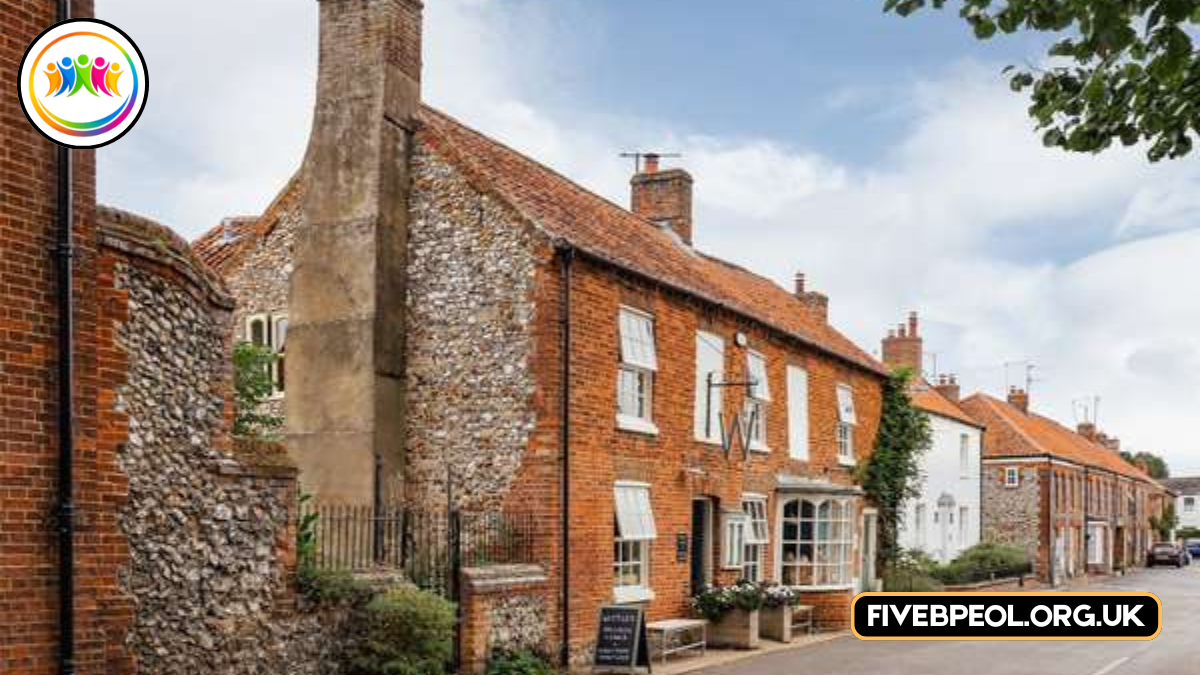
east winch norfolk is a quiet rural village nestled within the scenic landscapes of Norfolk, England. It is a destination defined by its peaceful countryside, traditional English charm, and rich historical background. Visitors often come here seeking a slower pace of life, surrounded by open fields, wildlife, and a sense of timeless rural heritage that still shapes the village today.
east winch norfolk offers an authentic glimpse into English village life, away from busy cities and modern distractions. Its surroundings are filled with farmland, nature reserves, and small historic features that reflect centuries of development. This guide explores everything about east winch norfolk, including its history, attractions, seasonal highlights, and nearby places worth visiting.
Where east winch norfolk is located and how to reach it
east winch norfolk is located in the western part of Norfolk, close to the historic town of King’s Lynn. The village sits within a rural landscape that is easily accessible via the A47, making it a convenient countryside escape for visitors travelling from Norwich, Cambridge, or even London. Its location makes it a peaceful yet connected destination.
Travelling to east winch norfolk is best done by car, as public transport options are limited in this rural area. The journey rewards visitors with scenic views of the Norfolk countryside, passing farmland and small villages along the way. Once you arrive, east winch norfolk offers a calm and welcoming atmosphere that feels far removed from urban life.
History and heritage of east winch norfolk
The history of east winch norfolk dates back many centuries, with its origins rooted in early English agricultural settlements. The village name itself reflects its rural beginnings, with connections to farming and meadowland that shaped its early development. Over time, east winch norfolk evolved into a traditional parish community with strong local identity.
Today, east winch norfolk still preserves elements of its historical character through its landscape and surrounding countryside. While modern life has influenced the area, the village continues to reflect its heritage through its quiet roads, historic layout, and agricultural surroundings. Exploring east winch norfolk allows visitors to connect with England’s rural past in a meaningful way.
Things to do in east winch norfolk

Visitors to east winch norfolk will find that the village is best enjoyed through simple countryside experiences rather than commercial attractions. Walking along quiet lanes, exploring nearby footpaths, and enjoying the natural scenery are some of the most popular activities. The peaceful environment of east winch norfolk makes it ideal for relaxation.
Photography is also a favourite activity in east winch norfolk, especially for those who enjoy capturing rural landscapes and seasonal changes. The surrounding fields and open skies create a perfect setting for creative outdoor exploration. Many visitors appreciate east winch norfolk for its calm atmosphere and opportunity to disconnect from busy routines.
Wildlife and natural beauty around east winch norfolk
The countryside surrounding east winch norfolk is rich in wildlife and natural beauty, making it a rewarding destination for nature lovers. The area includes farmland, hedgerows, and grasslands that support a variety of bird species and small animals. east winch norfolk is particularly appealing for those interested in birdwatching and countryside ecology.
Throughout the year, east winch norfolk changes with the seasons, offering different natural experiences. Spring brings fresh greenery and blooming flowers, while summer offers long sunny days across open fields. Autumn transforms east winch norfolk into warm golden tones, making it a visually stunning place for peaceful countryside walks.
Seal sanctuary east winch norfolk and conservation importance
The wider area around east winch norfolk is known for its connection to wildlife conservation, including seal rescue and rehabilitation efforts nearby. Although the sanctuary is not located directly within the village centre, it is strongly associated with the region and highlights Norfolk’s dedication to protecting marine life.
Visitors interested in conservation often explore attractions linked to east winch norfolk to learn more about animal welfare and environmental protection. The presence of wildlife care centres near east winch norfolk enhances its reputation as a destination that values nature and supports educational eco-tourism experiences.
east winch norfolk tulips and seasonal countryside colour
While east winch norfolk itself is a rural village, the wider Norfolk region is famous for its seasonal flower displays, particularly tulip fields in spring. Visitors often search for east winch norfolk tulips due to its proximity to agricultural land where vibrant floral landscapes can be found during blooming season.
Springtime near east winch norfolk is especially beautiful, with colourful tulip fields attracting photographers and visitors from across the UK. The combination of countryside scenery and seasonal flowers makes east winch norfolk a great base for exploring Norfolk’s springtime beauty and rural charm.
Nearby attractions around east winch norfolk
east winch norfolk is ideally located for exploring a variety of nearby attractions. The historic town of King’s Lynn is just a short drive away and offers museums, architecture, and cultural heritage sites. Visitors staying in east winch norfolk can easily access both rural and urban experiences within a short distance.
Beyond King’s Lynn, east winch norfolk is also close to nature reserves, woodland walks, and Norfolk’s wider countryside attractions. These include castles, gardens, and scenic walking trails that make the region perfect for day trips. The village serves as a peaceful base for exploring the wider beauty of Norfolk.
Travel tips for visiting east winch norfolk
When planning a visit to east winch norfolk, it is important to prepare for a rural environment with limited facilities. Visitors should bring essentials, especially if planning long walks or countryside exploration. The quiet nature of east winch norfolk is part of its charm, offering a true escape from busy city life.
The best time to visit east winch norfolk is during spring and summer when the weather is mild and the countryside is at its most vibrant. Autumn also offers beautiful scenery for photography and walking. Careful planning ensures a comfortable and enjoyable experience in east winch norfolk.
Conclusion
east winch norfolk is a hidden countryside gem that offers history, nature, and peaceful rural living. Its location, heritage, and natural surroundings make it an appealing destination for travellers seeking something authentic and tranquil. Whether exploring landscapes or nearby attractions, east winch norfolk provides a refreshing escape.
From seasonal beauty to wildlife and historical charm, east winch norfolk continues to attract visitors who appreciate England’s rural character. It remains a place where simplicity, nature, and tradition come together, making east winch norfolk a memorable destination in the heart of Norfolk.
FAQs
What is east winch norfolk known for?
east winch norfolk is known for its peaceful countryside setting, rural charm, natural scenery, and proximity to wildlife attractions in Norfolk.
Where is east winch norfolk located?
east winch norfolk is located near King’s Lynn in Norfolk, England, within a quiet rural landscape surrounded by farmland and countryside.
Is east winch norfolk good for walking?
Yes, east winch norfolk is ideal for walking, offering peaceful country lanes, open fields, and scenic rural footpaths.
Are there tulips in east winch norfolk?
east winch norfolk is close to Norfolk’s famous tulip-growing areas, especially visible during spring when nearby fields bloom in colour.
What wildlife can be seen in east winch norfolk?
east winch norfolk has birds, small mammals, and countryside wildlife commonly found across Norfolk’s farmland and natural habitats.
How do you get to east winch norfolk?
east winch norfolk is best reached by car via the A47, as public transport options are limited in this rural area.
Also Read: racing car green